


🔮 What (Digital) Audiences Want in 2024
A special marketing trend report from Arcade x SCAN 👀 CLUB.

Hey Scanners!
2023 was a rollercoaster year with lots of ups and downs. As we head into 2024, how we show up online, what we create, and how we promote to our audiences matters more than ever in a peak-social, peak-online, peak-algorithm environment.
What do (digital) audiences really want in 2024? Long-form or short-form content? Video or static? Digital or IRL experiences? Or, maybe it’s deeper than all of that.
This isn’t just another trend report; it’s a deep dive into the worlds that exist online, IRL and how brands can continue to show up in them.
You’ll discover:
The top 5 digital behavior trends we’re using to guide our 2024 marketing strategies,
Signals we’re following that inform our trend forecast,
Questions you need to ask yourself before you even touch a slide deck this year, and
Points of inspiration from our leading team of digital marketing experts.
Plus, we made it fun, digestible and packed with pop culture references.
If you enjoy this, you’ll like our bi-monthly SCAN 👀 CLUB newsletter. Be sure to hit subscribe if you haven’t yet!
Are you ready? Let’s dive in.
– Alyssa Yuhas, Futurist, Creative Director at Arcade / LinkedIn
👀 TREND 01
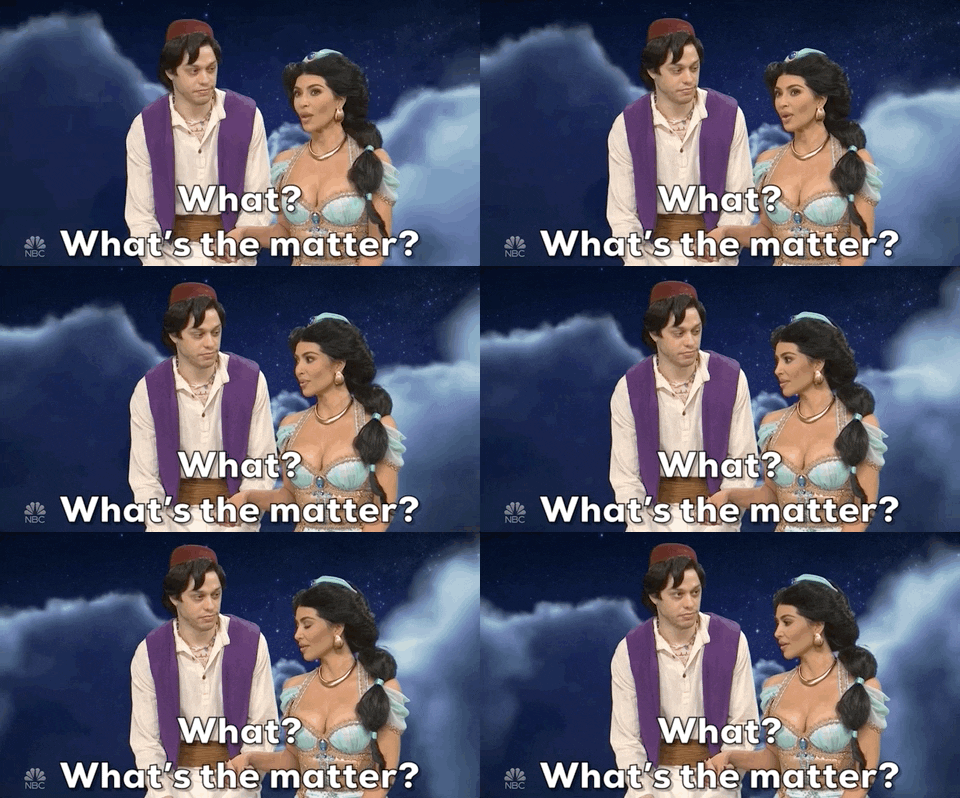
They want a whole new world
People want:
New ways to connect with brands
To experience brands holistically
A feeling of wonder and awe
To be met where they are
To have their senses activated
The Metaverse (in small doses)
What’s happening?
Everywhere you look, brands are exploring new ways to connect with their audiences. Famous digital brands are trying in-person experiences. Online experiences are becoming more immersive. Sonic branding is on the rise. Brand collaborations are happening across very different industries. Brands are trying harder than ever to break into different spaces, but why?
Why does it matter?
Digital audiences are looking for new experiences that feel engaging. What’s the best way to engage people? By creating a holistic experience. The brands that are winning are being strategic about connecting with their audience’s five senses. Brands are tapping into physical, online, olfactory (we’re still thinking about the Saltburn candle) and auditory mediums. You can wear a brand’s clothing while burning their candle and watching their concert in the Metaverse. It’s a whole branded world. Why? For one, people are in all of these spaces, but it’s also getting harder to get enough touchpoints for a conversion in one platform. Successful brands are going bigger.
What could happen next?
It isn’t just about trying something new with your content; this trend is about deliberately crafting an experience that your audience won’t forget (and won’t have to work hard to access). How can you shift from making content to world-building? Do you go into the Metaverse? Build a robust sonic branding strategy or experiment with AR/VR? Do you collaborate with brands in your consumer’s “world” like Mattel or build a space like Nicki Minaj? The possibilities are truly endless.
What we’ve observed
📅 CURRENT / Netflix Is Opening Brick and Mortar Locations in 2025
😲 SURPRISING / Eminem’s 10-Minute Fortnight Concert Broke the Internet
🎯 SPECIFIC / Gen Z Recognizes Brands Based on Sonic Memes
Answer these for 2024
☑️ Are we meeting our audience where they are already spending their time?
☑️ How are we creating moments of wonder and awe for our audiences?
☑️ How can we create a holistic world, both online and offline, for our audiences?
Words from Arcade
At its core, I view “world-building” as an avenue to make marketing more captivating. It’s no secret that our attention spans are getting shorter. In the design space, we’re able to use tools like 3D and AI to visually communicate ideas from our minds in seconds that previously took hours or days. Essentially, world-building blends creativity with technology. We’re now able to take audiences to places we once only imagined, often engaging multiple senses. This combo of innovation and imagination opens the door for us to create limitless immersive and memorable marketing experiences.
– Drew Simonar, Art Director at Arcade / LinkedIn
👀 TREND 02
They want less stress, more rest
People want:
To feel like they aren’t alone in their experiences
Comfort and familiarity
Authenticity from creators and brands
Nostalgia from “the good ol’ days”
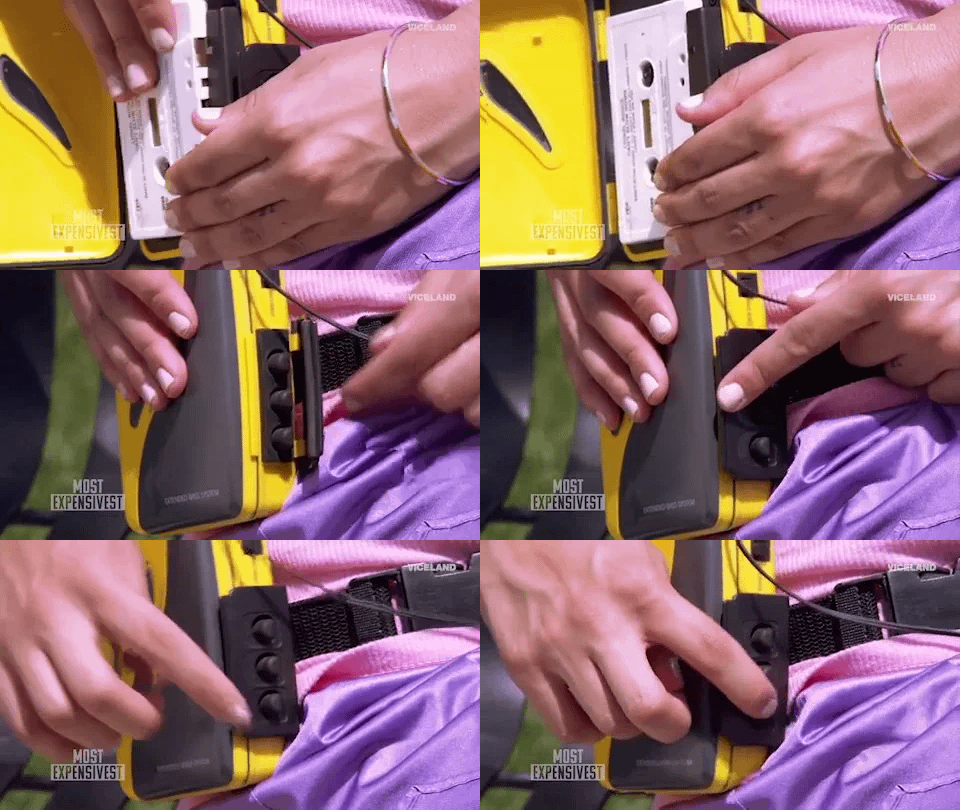
Simple, analog technology
A calm place to turn to online
What’s happening?
The U.S. Surgeon General released a report on the epidemic of loneliness and isolation this year. More people Googled “I’m tired” than ever before. AI bots were programmed to provide companionship. You aren't alone if you feel stressed out, tired and lonely. How are digital audiences reacting to these emotions? By turning to the brands and creators who comfort them.
Why does it matter?
Authenticity + familiarity = comfort. Seeing Y2K nostalgia pop up everywhere means more than a passing aesthetic trend; people are regressing to a “simpler” time when they felt comfort (even if they weren’t alive then). They’re desperate to connect with something that feels easy, and we see that reflected in the brands that are on the rise. Anti-smart phones are selling out, comfort creators are gaining popularity, early 2000s fashion is in-store, physical communication (like magazines) are making a comeback… We can better inform our marketing, design and content by paying attention to how digital audiences feel.
What could happen next?
If loneliness persists and our desperation to connect grows, could this push people to put down their phones and attempt to connect IRL? Or are we moving toward a future where chatbots and AI fill the void? Will nostalgia and comfort continue to soar in popularity as the internet increasingly connects news and real-world events to our lives? It feels like we’re at a crossroads, but one thing we can determine for now is that escapism is in. People need it, and brands can provide it.
What we’ve observed
📅 CURRENT / Hinge Invested $1 Million Into a Campaign to Combat Loneliness
😲 SURPRISING / Kendrick Lamar Released An Anti-Smart Phone & NYLON is Re-Launching Their Print Magazine
🎯 SPECIFIC / Google’s Gemini Is Learning How to Have a Conversation
Answer these for 2024
☑️ How are we creating ease of access, entry and connection for our audience? (For us, it was making this report widely available for free!)
☑️ How are we keeping on top of the acceleration of technology (specifically, Generative AI)?
☑️ Are we able to incorporate comfort into our brand messaging and design? Does this make sense for our audience?
Words from Arcade
In recent years, we've seen the rise of the comfort creator, and I expect this type of influencer to become even more prevalent and popular in 2024. People are sick of doomscrolling and are seeking comfort with everything happening in the world. Even beyond individual creators, brands are getting in on that feel-good-relatable content because that's all people really have an appetite for these days. At the end of the day, audiences want content that will comfort, calm and reassure them. Whether you are a creator, a brand or an agency, tap into those feelings when creating content and you're sure to see a shift in how your audiences react.
– Melanie Trottier, Social Media Director at Arcade / Instagram
👀 TREND 03
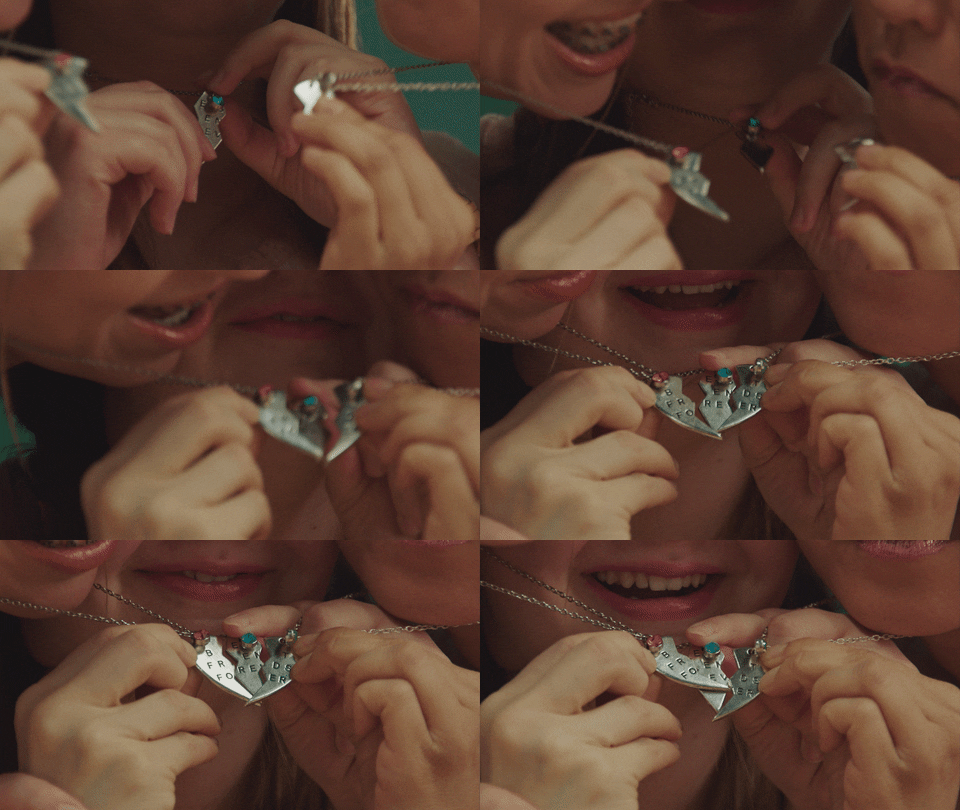
They want close friends only
People want:
Niche, closed communities
DMs, group chats and private messaging
To escape social media overwhelm
Summary content that helps them stay in-the-know
Recommendations from micro and nano-influencers
A safe space from public scrutiny
What’s happening?
There is too much content out there for people to connect over. According to some, the age of monoculture is over. People are turning their backs on social media platforms in favor of group chats and closed communities. Big brands have noticed. Meta is dedicating time and money to its messaging app, WhatsApp. Email platforms, like Substack and Beehiv, are changing how people access email content. Instagram is experimenting with enclosed groups. And private brand communities on platforms like TYB, Geneva, Discord, and Mighty Networks have been popping up more and more.
Why does it matter?
Marketers everywhere are talking about the importance of community. We’re sure you’ve already seen it discussed in other marketing trend reports. We agree community is an essential pillar for 2024 content, but particularly the rise of niche, closed communities (which might mean a smaller audience than you’re used to, but don’t panic). People can’t control the amount of content out there, but they can control what communities they engage in. As a result, the party is happening in the DMs, and Gen Z is leading it. For brands, the algorithm is too unpredictable to build a genuinely deep connection with your audience. Moving your most loyal followers into a private community is a tactic more brands are choosing.
What could happen next?
For certain brands, having a niche community is the marketing strategy. But for brands with broader appeal, it might be time to get creative. How can you create content that’s group chat-worthy? It’s not going to happen with a broad-stroke message. Ask yourself: Does your content speak to a broad persona or someone specific? Should you be engaging nano or micro-influencers? Collaborating with brands in your target niche? Do you need to choose new metrics to follow (because, really, how much does a “like” mean these days)? Or, maybe your focus should be on creating niche followers rather than committing to a niche with your content. Whatever you do, audiences want segmentation in a meaningful way (not just because they clicked a link).
What we’ve observed
📅 CURRENT / Micro-Influencers Hold the Power in Niche Communities
😲 SURPRISING / Instagram Is Experimenting with Enclosed Groups
🎯 SPECIFIC / Teenagers Are Creating Digital Spaces Just for Them
Answer these for 2024
☑️ How are we communicating with the specific people or groups that already exist in our community? If they don’t exist, what would our dream niche community look like?
☑️ Which niches (ours or others) should we invest in? How can we?
☑️ How does it feel to you as a marketer knowing that smaller audiences are preferred by consumers? How do you explain that to the CEO?
Words from Arcade
It’s never easy going to your boss and telling them you need to cut the company’s email list in half (that’s an understatement), but it’s not any easier working with an audience that just isn’t engaged. I’ve seen businesses earn more revenue sending an email campaign to a small, niche list than to 100,000+ people who simply showed interest in a downloadable. In 2024, we’re better than that. Build your niche, make their lives better and watch their loyalty grow.
– Morgan Berna, Editorial Lead at Arcade / LinkedIn
👀 TREND 04
They want to feel something
People want:
Shared experiences
Shock and excitement
To feel like they are part of something
To follow the story
Controlled surprises
Something to look forward to
What’s happening?
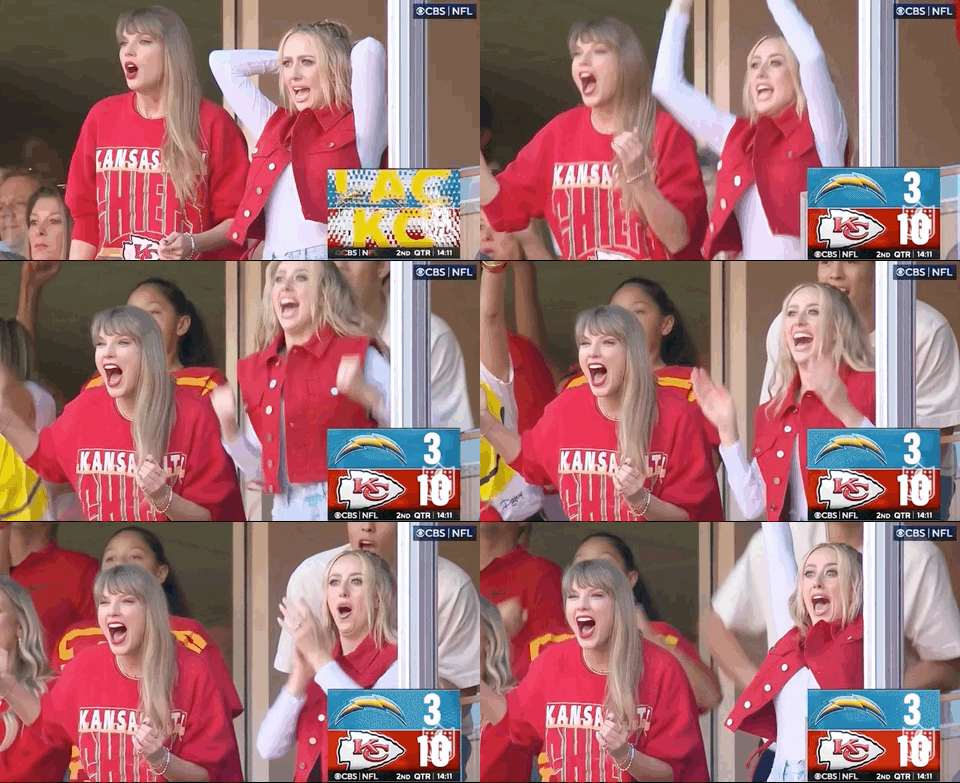
2023 will forever be known as the year Taylor Swift invented the NFL. Jokes aside, this year has seen an enormous shift in how sports intermingle with fashion, TV and pop culture. People who had never watched a football game before are now die-hard fans. Athlete names were googled more than anyone else. And everyone is watching sports documentaries: F1: Drive to Survive, Beckham, Hard Knocks and Quarterback all took over our screens.
Why does it matter?
Algorithms feed us what we want when we want. Most people can guess what they’ll find on their TikTok For You Page before even opening the app. It’s not that content has gotten boring, exactly, but predictable. Our feeds are passive, everything’s an ad and they’re inundated with AI-generated content (and creators). People want to feel excitement again and sports provide a natural solution. Sports are unpredictable, high energy and real. They create monoculture moments. Plus, they’re rich in brand partnership potential.
What could happen next?
If people want raw, unpolished and human experiences, how could this change digital marketing? Is there a way to bring the grit and thrill of sports into a brand’s storytelling? Can we build fandoms that foster connection? For brands to win, will they need to engage their audiences through gameplay? Will we see a rise in the desire for BTS and “reality” style content from brands? Or even more real faces of brands? This trend is ready for some main character moments.
What we’ve observed
📅 CURRENT / Streaming Platforms Are Investing In Sports
😲 SURPRISING / Everyone Got In On the Action and Created Rare Moments of Monoculture with Barbie
🎯 SPECIFIC / Major Fashion Houses Are Partnering with Sports & Gaming Brands
Answer these for 2024
☑️ How are we building special moments that our audience can connect with as a group, online and offline?
☑️ Is our storytelling taking our audience along for the ride?
☑️ Are there opportunities to grow our audience into fans (or even a fandom)? What could that look like? Do we want that?
Words from Arcade
Yes, fandoms for sports teams have always existed, but I think we're seeing a strong surge of new interest in the general media over the last year and it makes sense as to why. Sports feel real, raw, and unproduced, which is exactly what I think we're all craving right now. We all want to feel something real! From Coco Gauff's New Balance miracle to Chipotle changing their sign after Travis Kelce's tweets went viral, I love seeing brands make the most of memorable sports moments. My advice for brands or creators who want to make waves in 2024 is to focus on real, raw, human stories and give your people something to cheer for!
– Mitzi Payne, Partner & Strategy Director at Arcade / Instagram
👀 TREND 05
They want (guaranteed) value
People want:
Value for their money
Products that actually help
Brands that do the work
To make sustainable choices
To know where their money is going
To express their values (through purchases)
What’s happening?
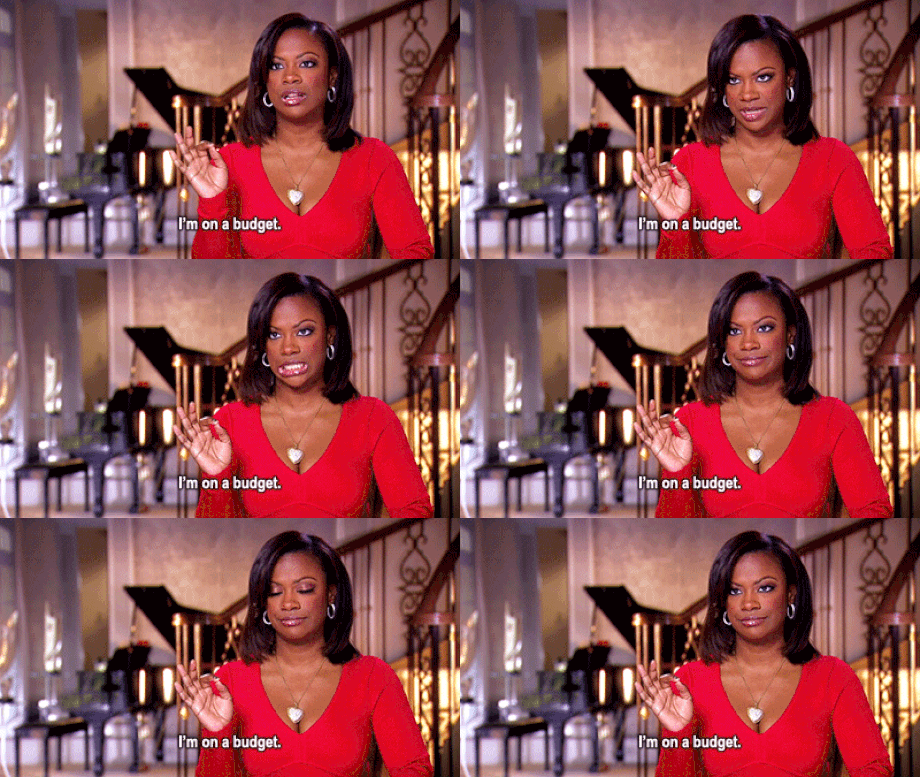
We are in a permacrisis (we’re sorry to put that word on your radar): The lingering effects of the pandemic, war and political crises, the climate crisis, inflation and the rising cost of living… Yet consumers are still indulging. While value and budget remain top-of-mind for shoppers, Gen Z and millennials will pay a premium for products they align with ethically. But they're shopping differently. Micro-creators on TikTok are continuing to grow as a significant driver (to the point that they’re even being banned from spaces) for brands because of their ability to bridge the gap between “brand” and “values.”
Why does it matter?
Shopping isn’t as simple as “I want it, I got it” anymore. Young consumers care deeply about value, sustainability, ethically aware brands and quality over quantity. A quick search on TikTok yields dozens of honest reviews of products and education about a brand's practices. Consumers are also vulnerable online: Cancel culture and ethics can keep them from buying from certain brands, even if it’s only to avoid the perception that they are on the “wrong side.” To top it all off, money isn’t infinite and we’re all feeling that in a really big way. As a result, consumers need a new type of value assurance.
What could happen next?
What might happen if we continue to see this trend accelerate? Consumers may hold brands to even higher expectations around values and transparency. Those standards can be a slippery slope. If sharing your values in writing isn’t your preference, can it be done through your image choices, collaborations or product design? Let’s consider the other side of the spectrum; if audiences continue to police people’s purchases as a reflection of values, do people just say, “we give up?” Will we see an acceleration of “maximalism” as a pushback to social media's “minimalist” aesthetic? Time will tell.
What we’ve observed
📅 CURRENT / Gen Z is Drinking Less Because They Value Moderation
😲SURPRISING / Gen Z and Millennials Don’t Mind If Their Vintage Finds Are Beat Up
🎯 SPECIFIC / Frida Baby Celebrates Moms by Comparing Their Journey to Marathon Running
Answer these for 2024
☑️ How are we adapting our product, service or offering to align with our audience’s evolving values?
☑️ How can we deliver, or exceed, on what we promise?
☑️ If people share less about products on social media, what does that mean for our brand? Are there new ways we can collaborate and create “influencer” content?
Words from Arcade
Ah yes, just your casual lifetime permacrisis. I think it's fair to say that the last few years of volatility have deeply impacted our purchasing behaviors as consumers, for better and for worse. Everyone has their rationale and definition of value (mine is price vs. quality, I know my wife's is form over function, and my parents’ is function over everything). Now more than ever, where you choose to spend your hard-earned money is a public vote of confidence for the brand you choose to buy from. I kind of feel for brands these days because the bar is high, and with the internet, we've become such intelligent shoppers. The bad news for marketers is that getting me to purchase something for the first time requires more effort. The good news is that once you have me, I'll likely stay true to you as long as you stay true to what I believe you to be.
– Manny Abella, Accounts Director at Arcade / Instagram
READY TO PUT THESE TRENDS INTO ACTION?
We’ve made a simple workbook that helps you do exactly that.
Before you go!
I can’t think of a more challenging time to be in marketing, but I can’t recall a time I was more excited about marketing, either. Though other practitioners often oversimplify our discipline to one or two of the typical P’s like “promotion” or knowing how to be in the right “place” at the right time, in 2024 it’s so much more romantic and exhilarating than that.
Great marketers, the ones that have survived our industry today, are cultural savants. You’ve embraced a posture of alertness and critical thinking. You’ve asked hard questions and listened to the honest answers. You’ve recognized that the best brands aren’t just creative, and “community” doesn’t just mean your algorithm looks the same as mine. You’ve taken some losses, but you’ve revised, iterated and adjusted your scope. Now, rather than simply creating funnels, you’re finding ways to build worlds. Instead of just keeping up, you’re living in the future.
As our team continues this practice of gathering and assessing signals through SCAN 👀 CLUB, we invite you to follow along. It’s a new way to look at the world, and I think you’ll enjoy the view.
– Mike Payne, Partner & Client Services Director at Arcade / LinkedIn
🫡
Brilliant. Every word of it. So, so juicy!!! 🍊